We operate in Italy and in low-income countries, such as Kenya and Venezuela, supporting children, youth, and people in need, through projects in the educational, healthcare, and social sectors.
The Germano Chincherini Foundation – Philanthropic Organization was founded in December 2001 by the testamentary will of Germano Chincherini, who passed away prematurely in June 2000. It was established and endowed with initial resources by his wife, Helena Malm, who scrupulously and faithfully adhered to Germano’s wishes, while also assuming the role of President for life.
The Germano Chincherini Foundation is dedicated to the protection and support of children and young people living in poverty and hardship, with particular attention to the most disadvantaged communities in low-income countries. Additionally, it provides support to both religious and secular institutions working in the same field.
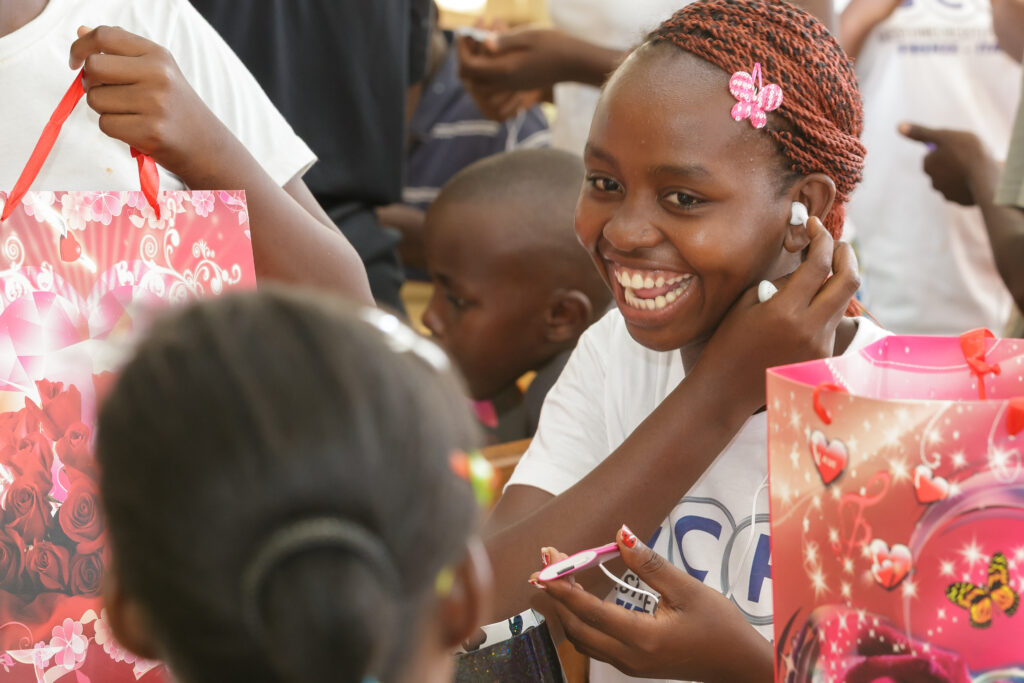
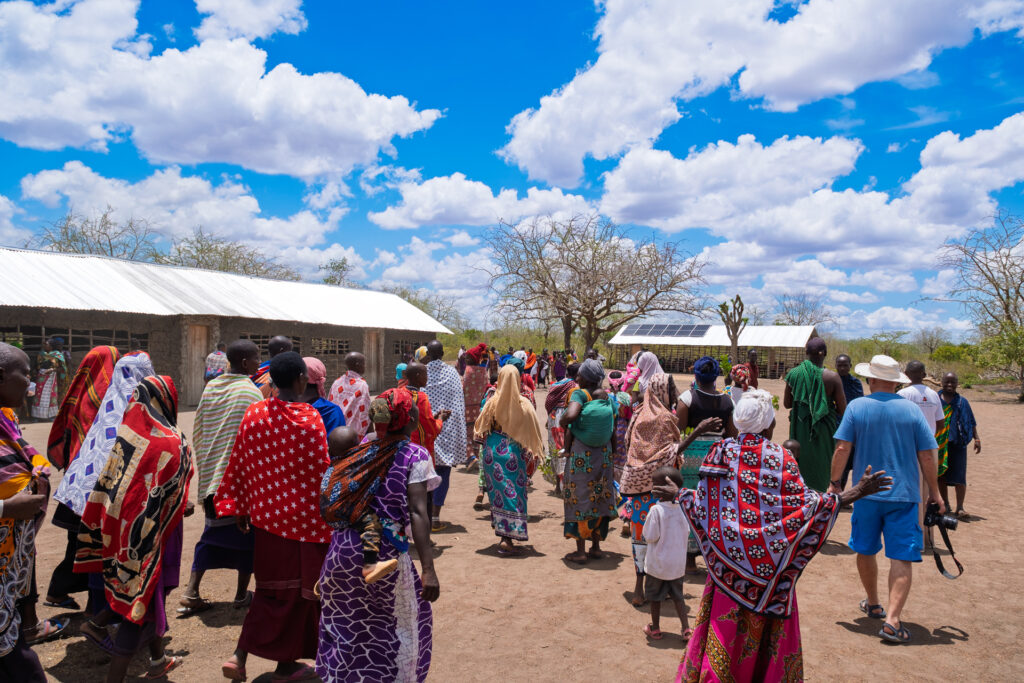
Since 2000, the Germano Chincherini Foundation has carried out significant projects in Kenya to improve the living conditions of local communities. It has built wells for drinking water, supported the Kwale District Eye Centre for the treatment of eye diseases, and contributed to the establishment of a primary school in Ukunda, providing education to children aged 5 to 13 and ensuring they receive a hot meal every day.
In 2008, Nyumba ya Watoto was born, an innovative complex of
care homes that welcomes orphaned children and those from severely disadvantaged backgrounds into a family-like environment. The project expanded in 2011 and 2015, adding educational and sports facilities, as well as an educational garden that helps support the nutrition of the care homes.
Thanks to these interventions, many children have found a home, an education, and new opportunities for the future.
The Germano Chincherini Foundation has carried out numerous interventions in Italy, including the donation of ambulances to Letojanni and Bardolino, support for AVIS in acquiring a rescue boat on Lake Garda, and the financing of cultural and sports projects, including charity events and initiatives for children with disabilities.
Dal 2019, la Fondazione ha avviato un innovativo progetto sociale con l’apertura del Caffè Di Più sul Lago di Garda. Questo spazio non è solo un punto di ristoro, ma un luogo di inclusione, dove persone con disabilità cognitive e relazionali ricevono formazione e opportunità lavorative, grazie alla collaborazione con Fobap Onlus. Dal 2025, è stata avviata la Residenza Di Più.
Through these initiatives, the Foundation continues to promote solidarity and inclusion in the local community.
Since 2010, the Germano Chincherini Foundation has been supporting El Jardín de la Esperanza, a project in Mérida that provides care, education, and assistance to vulnerable children in the Los Curos neighborhood.
Over the years, the project has expanded with the opening of a new center in Loma de Los Maitines and, in 2023, thanks to the Foundation, it acquired its own premises in El Valle – La Carbonera. Here, an Agricultural, Educational, and Recreational Center was established, offering educational and farming activities to ensure a better future for the children.
The Story of Germano Chincherini
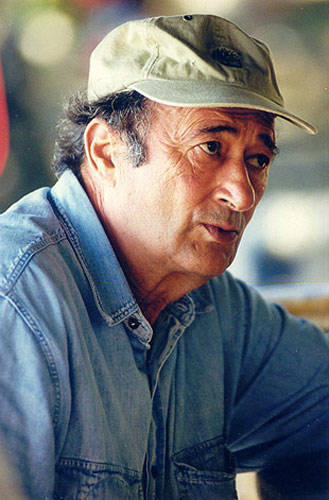
Germano Chincherini was born in Limone sul Garda in 1937. In the late 1950s, together with his parents and five siblings, he began managing a small family-run guesthouse. In his spare time, he also sold bunches of lemons along the main road, using a traditional local cart.
During those years, he had the encounter that would change the course of his life: he met Eilif Krogager, a Danish Protestant pastor and founder of the Tjaerborg travel agency. Krogager recognized the great potential that Italy held for the emerging mass tourism industry and decided to bet on Germano Chincherini, funding him and giving him the opportunity to open his first major hotel. This marked the beginning of Chincherini Hotels.
Between the 1960s and 1970s, Chincherini Hotels experienced extraordinary growth, eventually managing 58 hotels—both owned and leased—spread across the entire Italian territory: from Rome to Ischia, from the Dolomites to Liguria, from Lake Maggiore to Lake Garda, passing through Monte Bondone all the way to Sicily.
In the 1980s, anticipating changes in the tourism industry, Germano Chincherini initiated a restructuring of the group: he sold some properties, phased out leased hotels, and invested in modernizing the main facilities, focusing primarily on Lake Garda and Sicily. In this new phase, he founded Parc Hotels Italia, a new company destined for a bright future.
With the founding of Parc Hotels Italia, state-of-the-art facilities were inaugurated, combining modern hospitality with a deep respect for tradition.
The management model underwent a radical transformation: no longer based on individual assignments, it evolved into a centralized organization equipped with a travel agency, booking centers, shared purchasing warehouses, cost control and planning offices, as well as a construction company dedicated to building and renovating hotels.
In 1990, Germano’s passion for travel led him to Kenya. There, alongside Father Angelo—with whom he formed a deep friendship—he discovered the harsh reality faced by many local communities. This experience sparked in him a strong commitment to solidarity, which would later give rise to important aid and cooperation projects.
n 2000, during a business trip to Sicily, Germano Chincherini suddenly passed away. At that time, he was working on several major projects: the completion of the Caesar Palace in Giardini Naxos, the design of a resort in Peschiera del Garda, and the expansion of several structures in Sicily.
In 2001, at the request of his wife Helena, the Germano Chincherini Foundation – Philanthropic Organization was established to honor the memory of her husband and continue his commitment to helping those who are less fortunate.
Under the leadership of Helena and the most trusted collaborators, the hotels envisioned by Germano were completed, and in Bardolino, a new structure was built, named Parc Hotel Germano, in tribute to the founder.
Nel 2024, anche Helena Chincherini viene a mancare.
Vision
Mission
The defense of the rights of children, youth, and people with disabilities in disadvantaged conditions at risk of social exclusion: education, health, equal opportunities.
Promoting pathways towards the autonomy of individuals to achieve empowerment, collaborating with local partners to address needs, and fostering inclusion for a fairer world.
The Foundation defends the rights of children and people in disadvantaged situations through concrete social, educational, and healthcare support projects.
We operate in synergy with local and international organizations to ensure access to essential resources such as education, clean water, healthcare, and shelter, promoting inclusion and personal development.
Through targeted interventions in Kenya, Venezuela, Italy, and beyond, we create opportunities for a fairer and more sustainable future.
Ways of action
The Chincherini Foundation supports projects in the healthcare, social, and educational sectors, aimed at people in vulnerable conditions and at risk of social exclusion. It operates both in Italy and abroad, collaborating with local and international organizations, with a particular focus on low-income countries. While there are no geographic limitations, when selecting projects, the foundation carefully evaluates its understanding of the context and its ability to intervene, either directly or in synergy with other partners.
The Foundation’s actions are guided by the values of solidarity, inclusion, transparency, sustainability, and the participation of local actors. In evaluating proposals, several criteria are considered, including project coherence, the adequacy of activities and tools to achieve objectives, the efficiency and relevance of the financial plan, collaboration with local organizations, and long-term sustainability.
Abroad, the Foundation focuses particularly on the socio-healthcare, educational, and training sectors, with interventions aimed at supporting the most vulnerable segments of the population, especially children and young people from disadvantaged family and social backgrounds.
In Italy, the Foundation supports projects throughout the country through donations and initiatives in the educational, recreational, and employment inclusion sectors for disadvantaged groups, with particular attention to people with disabilities.