The project
The “Merida 2025” project was born from the urgent need to address the deep educational, health, and social inequalities that severely affect the Andean region of Venezuela, particularly the state of Mérida. This area, marked by a persistent economic and institutional crisis, faces extremely high levels of educational poverty, deficiencies in basic healthcare services, and a progressively weakening social support network—impacting vulnerable children, adolescents, and families in a direct and dramatic way.
The project aims to respond to this critical situation with an integrated, multidimensional, and territorial approach through an alliance between local institutions, Venezuelan civil society organizations, and Italian NGOs that have been working for years in international cooperation and global citizenship education. The goal is to promote equitable and sustainable access to quality educational services and regular healthcare, placing people, communities, and the ability to build transformative pathways at the center of the strategy—empowering beneficiaries to fully develop their human and social potential.
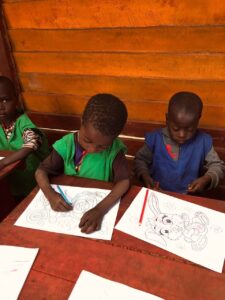
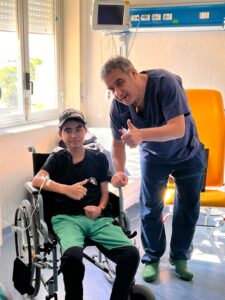
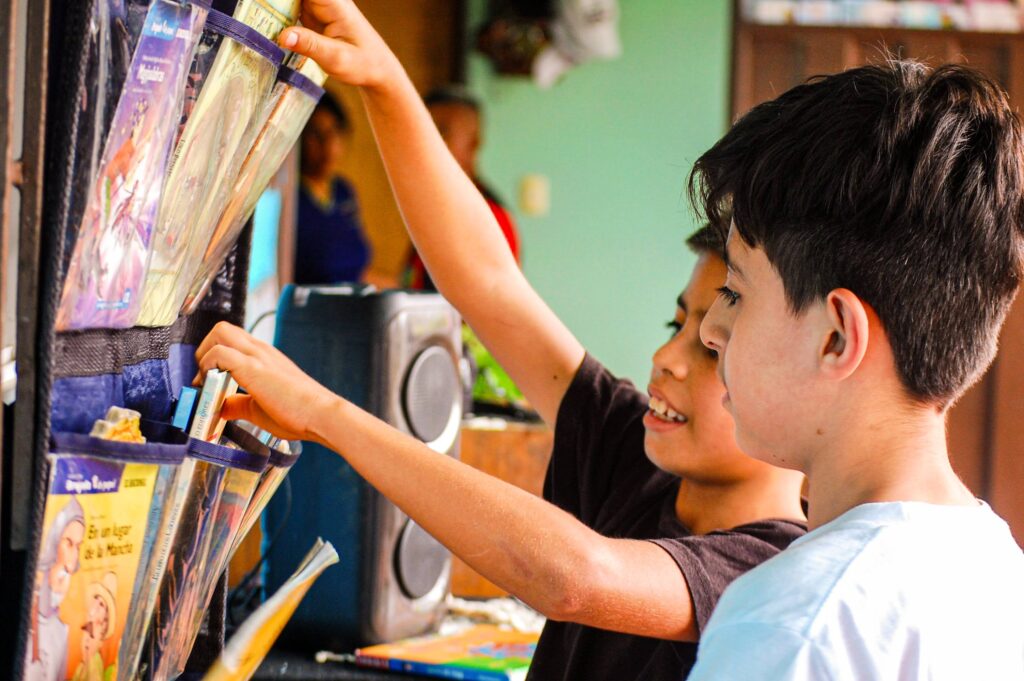
The main areas of intervention include: The creation of safe and inclusive spaces for the education of girls and adolescents in marginalized urban areas (through the socio-educational center “El Jardín de la Esperanza”); the promotion of reading and literacy in the most isolated rural Andean communities, thanks to the innovative mobile library “Bibliomula”; the strengthening of the free healthcare assistance network, thanks to the action of local organizations PAULA and EVUPAM, which operate throughout the territory to ensure access to medical visits, medications, and nutritional support for people living in extreme poverty.
Objectives
General Objective:
To improve the educational and health conditions of vulnerable populations in the Venezuelan Andean region, with particular attention to children, adolescents, and youth.Specific Objective:
To create an integrated system of socio-health, educational, and cultural assistance for minors and families in vulnerable conditions.
Beneficiaries
Centri socio-educativi (El Jardín de la Esperanza):
“El Jardín de la Esperanza” Center in Los Curos, Mérida: serving 18 girls aged 6 to 14, and a group of adolescents aged 14 to 19.
A new center under development in Loma de los Maitines (CEC San Benito): planned for 20 girls aged 6 to 14, in collaboration with Fe y Alegría.
Bibliomulas Project
- 130 children aged 6 to 12 in 6 rural Andean villages.
Community Health Assistance (EVUPAM and PAULA):
- 6 doctors and 6 nurses;
- 30 homeless and extremely poor people assisted per month throughout the project duration, totaling 360 per year;
- 20 patients served monthly in gynecology services, totaling 240 per year;
- 18 girls from Los Curos, 20 children from Los Maitines, and 45 children from the Don Bosco Foundation.
- Indirect beneficiaries include patients receiving care at hospitals from the doctors and nurses, estimated at about 15 patients per day, approximately 300 per month per doctor and nurse, plus the families of patients and the general public—adding up to over 7,000 indirect beneficiaries per year.