The project
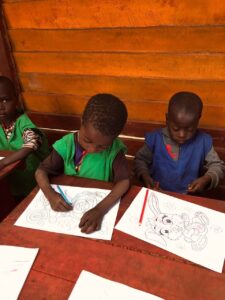
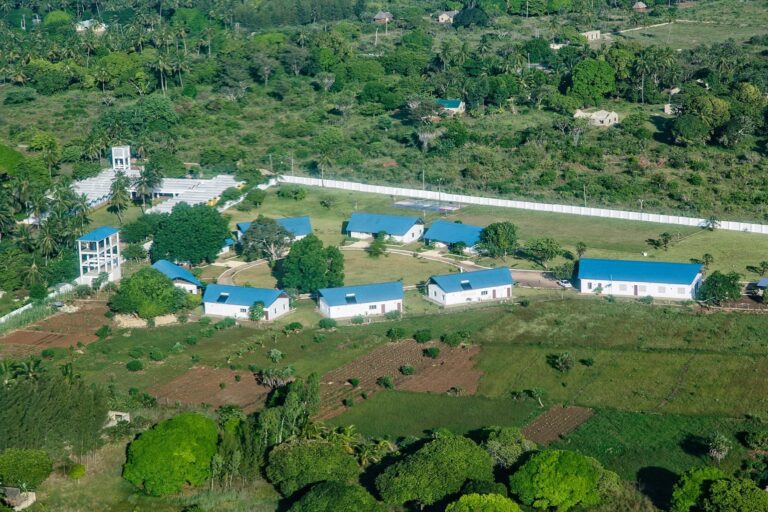
In Ukunda, in Kwale County, about 40 km from Mombasa, three groups of care homes have been built over seven years to accommodate children and adolescents from severely disadvantaged family backgrounds. Each group hosts between 40 and 60 minors, distributed across different buildings.
The Foundation covers the expenses for the residents’ needs: accommodation, utilities, food, healthcare, school fees, and leisure activities.
Some of the minors are in a temporary “foster care” situation, and where possible, brief weekly returns to their original families are arranged through agreement with the local services.
Each care home has one or two “mamas” (housemothers), adult figures who offer not only material care but also educational and emotional support, recreating a stable and safe family environment for the minors.
An agricultural project has also been added: the gardens (“shamba”) are maintained by the children in their free time from school, and the harvest is shared among all the care homes and used for meal preparation.
Our team includes two Social Workers who manage the minors’ intake process.
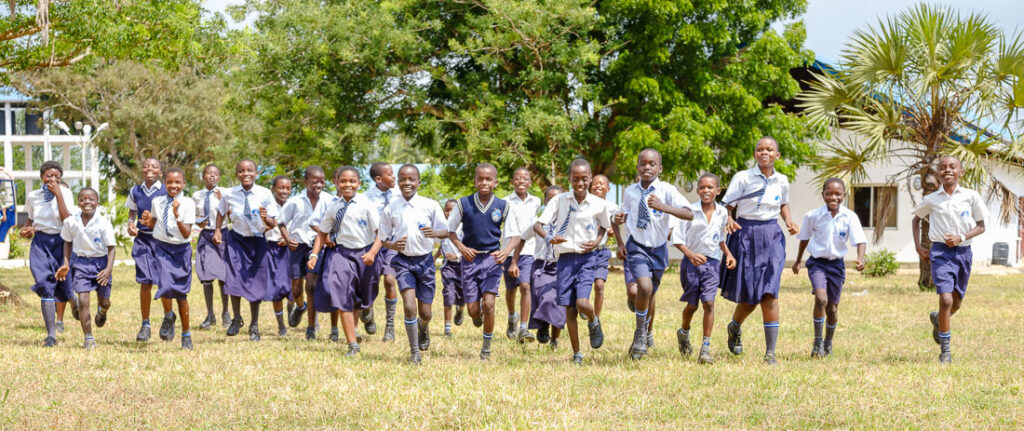
In 2016, a bus was purchased to allow the minors in our care to reach Saint Joseph Primary School.
Nyumba ya Watoto 1
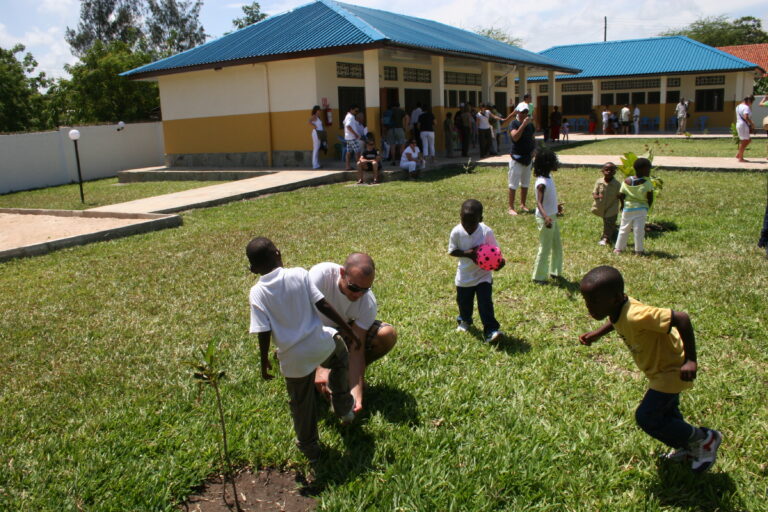
The first care home complex, inaugurated in 2008, consisted of five residential buildings in addition to spaces for offices and logistics. Initially, it accommodated 40 children, each hosted in a home with a constant presence of a mama.
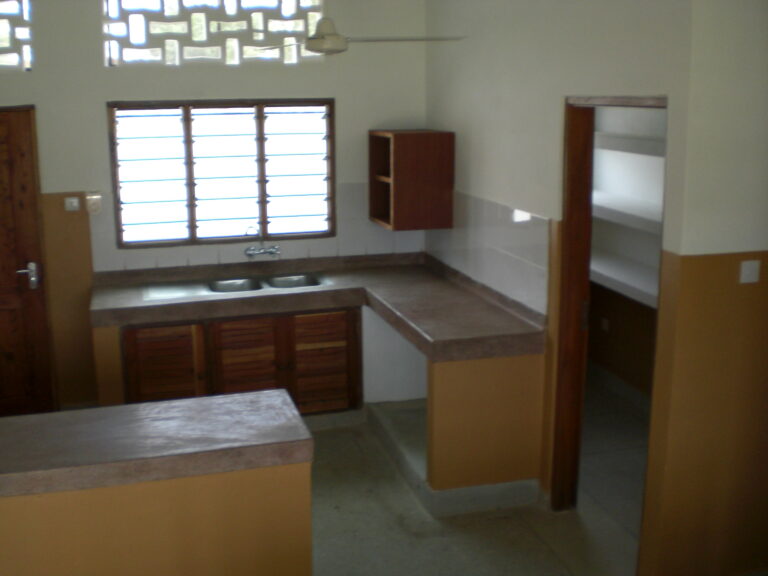
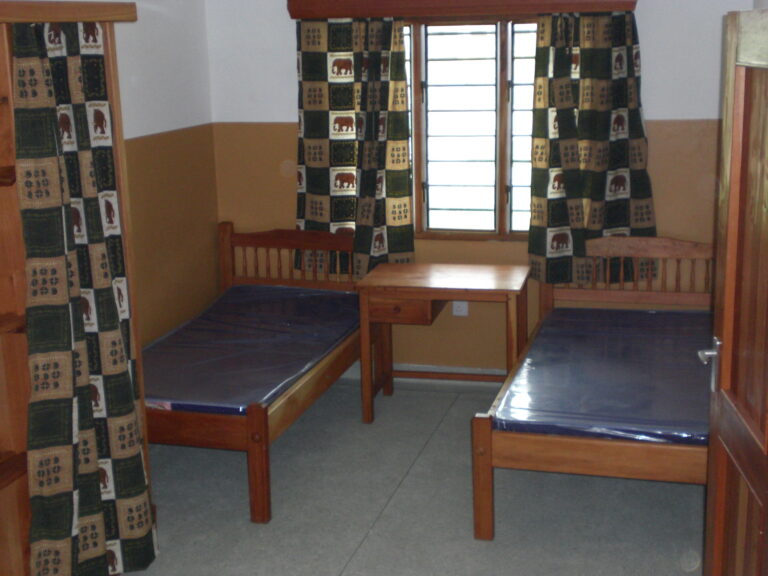
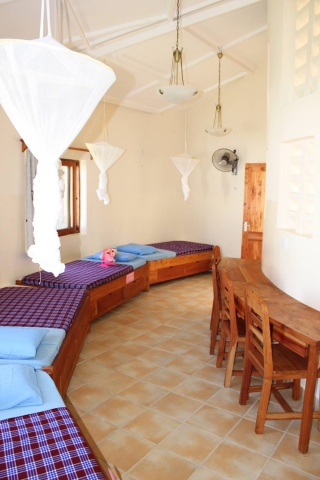
Each building included two large bedrooms for eight children of mixed ages, two rooms for the housemothers, a large living area with a kitchen, dining room, living room, and study room. Each house also had an outdoor patio, running water, electricity, and sanitation facilities.
Starting in 2024, this complex was converted into a commercial tourist activity to self-finance the Foundation’s social projects. This transformation occurred at the request of the local government, which invited all NGOs operating in Kenya to develop self-sustaining sources of income.
It is important to note that all proceeds from this activity are reinvested in the care homes and in educational and protective activities for the minors.
This decision was also made possible by the gradual reduction in the number of children hosted: on the one hand, the number of cases reported by the authorities has decreased, and on the other hand, many of the beneficiaries have now grown up, completed their educational path in the care homes, and are continuing their lives at college, university, or in the workforce.
Nyumba ya watoto 2
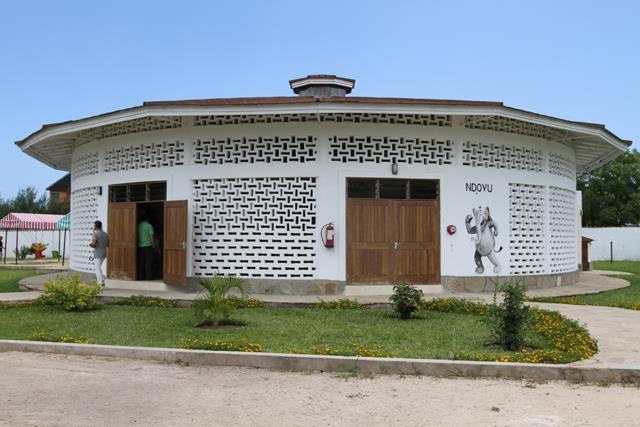
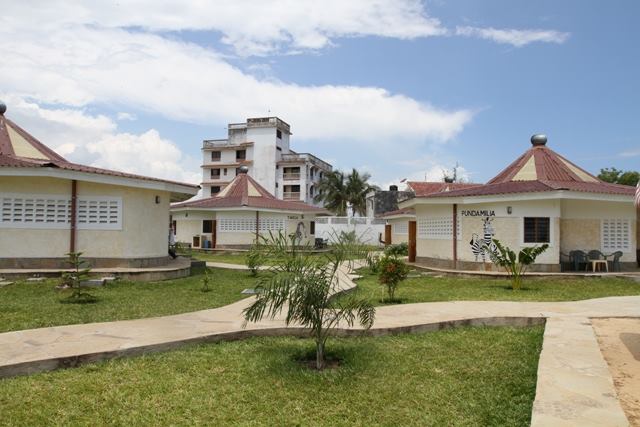
In front of the first complex, the second group of care homes was inaugurated in 2011, featuring a unique hut-like architecture. In addition to the buildings for accommodating the minors, a large Community Hall was also built, a multifunctional space where group activities can be organized. Once completed, it provided an additional 36 places.
Nyumba ya watoto 3
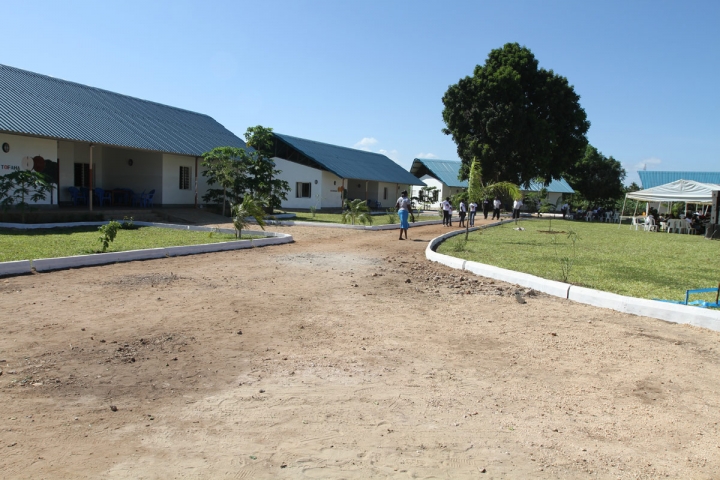
At the end of 2015, the third group of care homes was inaugurated, providing 60 new places, including a small “farm” and a large garden where the children can engage in agricultural and educational activities. In the vegetable cultivation area, corn, spinach, tomatoes, onions, carrots, and okra have been planted.
The inauguration marked a significant moment for the organization. At the ceremony, attended by employees from Parc Hotels Italia and representatives from the Kenyan government, the work done was celebrated, and the memory of the founder was honored. A soccer field was also inaugurated in memory of Silo Conforto, the husband of one of our donors.
Objectives
The care homes aim to ensure full respect for the minors’ rights, as stipulated by national and international laws, based on three fundamental principles: protection, assistance, and participation.
Each child welcomed is assured the right to identity, education, freedom of expression, family affection, and protection from any form of abuse. In particular, the following rights are guaranteed:
The right to health, covering necessary medical and pediatric expenses;
The right to education, including enrollment in primary and secondary school, with support through scholarships and the provision of educational materials;
The right to leisure and play, through spaces such as the Community Hall and a sports field, as well as the organization of cultural, artistic, recreational, and sports activities;
The right to maintain relationships with both parents, unless harmful situations exist, always in agreement with the assessments of the local authorities, in the best interest of the child.
Where possible, family reintegration is promoted by providing material support to the families to make it sustainable.
Support for young adults continues even after reaching the age of majority, to ensure the right to education for those who wish to continue their studies at college or university. The Foundation finances tuition fees, along with accommodation and living expenses, which are often too costly for the local population.
Beneficiaries
Since its inception in 2008, over 200 minors have been welcomed into the care homes.
Among them are also young adults who, once they leave the care system, choose to continue their studies by enrolling in college or university.
Indirectly, the families of origin also benefit, as they receive the children back during the agreed return periods with the authorities. We offer these families support through material subsidies to ensure the sustenance of the family unit and the minors.
The Partners
We collaborate with local authorities, including the Children’s Office (local social services), responsible for reporting cases, and public officials from the Committee responsible for monitoring the adequacy of the services offered. We also have a close partnership with the Saint Joseph Catholic Church, which manages the primary school attended by the minors from our care homes.